+86-15916242887 


When you're diving into the world of electronics, finding the perfect Ferrite Chipbead can really make a difference in how well your device performs and how reliable it is. I read a quote from John Smith over at Tech Innovations Corp — he says, “Picking the right Ferrite Chipbead can do wonders by cutting down noise and keeping your signals clean.” It’s pretty clear that choosing the right components isn’t just a small detail; it’s a big deal for good design.
Ferrite Chipbeads are pretty much the go-to tools when you're dealing with electromagnetic interference, or EMI. When you're selecting one, you kinda have to juggle things like impedance, what frequencies it can handle, and how much current it can take. Get it right, and you might see some pretty noticeable improvements. But honestly, the options can sometimes be overwhelming, right?
One thing to keep in mind, though, is that not all Ferrite Chipbeads are made equal for every situation. Picking the wrong one can lead to performance issues or even failures down the line. Plus, it's super helpful to understand how these beads play along with other parts — like, say, the Ferrite rod choke inductor. Knowing how everything fits together can really level up your design game and make your circuit work even better.
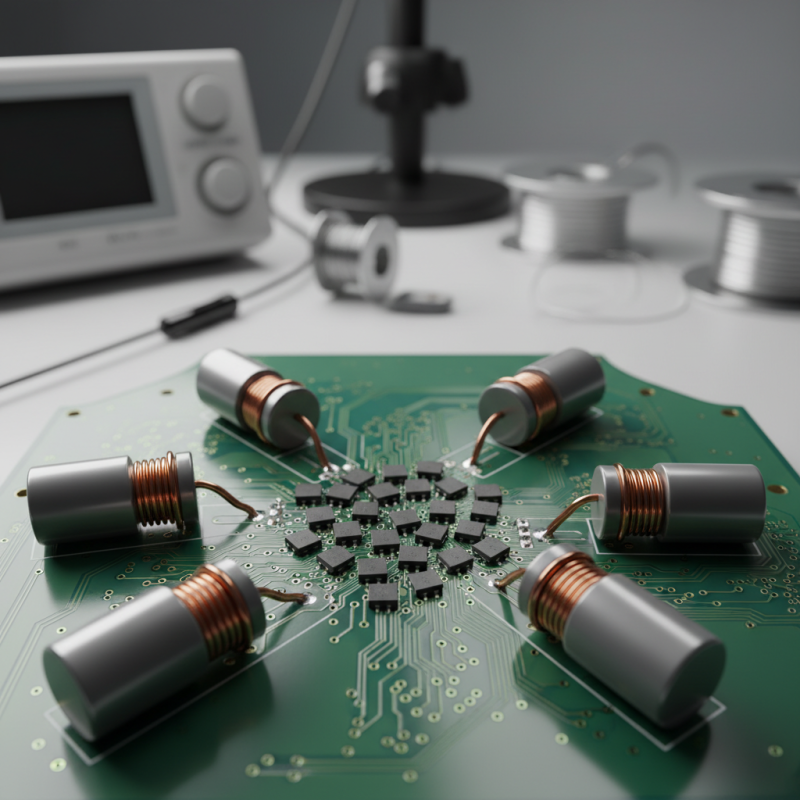
Ferrite chipbeads are crucial components in electronic devices. They suppress high-frequency noise, improving signal integrity. This is particularly important in applications like telecommunications and automotive electronics. According to a recent industry report, the global Ferrite Bead market is projected to grow at a compound annual growth rate (CAGR) of 7.5% from 2023 to 2028. This signals an increasing reliance on these components in various sectors.
Understanding ferrite chipbeads involves knowing their material composition and operational principles. Typically made from iron oxide mixed with other metal oxides, Ferrite Beads exhibit magnetic properties that enhance their ability to filter unwanted signals. They are used in power supplies and data lines to protect sensitive circuits. Tests indicate that the right Ferrite Bead can reduce noise by over 30 dB at critical frequencies, demonstrating their effectiveness.
Despite their benefits, selecting the right Ferrite Bead can be challenging. Various factors like impedance, temperature rating, and size must be considered. Notably, some designs may be less effective at certain frequencies. This emphasizes the importance of application-specific testing. Understanding these nuances is vital for engineers aiming to optimize performance while minimizing potential interference.
Ferrite chipbeads play a crucial role in modern electronics by reducing electromagnetic interference (EMI). These components are essential in ensuring signal integrity in circuits. Their design and materials greatly influence their performance. Key characteristics include impedance, current rating, and frequency response.
Impedance is a primary factor. It determines how effectively a chipbead can suppress noise. Typically, higher impedance is preferable for applications requiring more noise filtering. According to recent industry reports, an impedance value of over 100 Ohms at a specific frequency band is considered effective for many applications. Additionally, the current rating of a ferrite chipbead influences its thermal performance. If the rating is exceeded, the device may overheat, compromising functionality.
Tip: Always check the datasheet for specific impedance at different frequencies. This helps in selecting the right component for your application. The frequency response is also important. Ferrite chipbeads need to perform well across various frequencies to effectively mitigate noise. Miscalculations here can lead to circuit malfunction.
Another consideration is the material composition of the ferrite. Different materials may offer varying levels of magnetism and stability. Reports suggest that manganese-zinc (MnZn) ferrites are common in high-frequency applications, while nickel-zinc (NiZn) variants are used in low-frequency applications. However, the choice should align with the circuit requirements. Balancing these characteristics is essential to achieve the desired performance in electronic designs.
When selecting ferrite chip beads for electronics, various factors come into play. These components are essential for reducing electromagnetic interference in circuits. Their effectiveness largely depends on material composition, size, and frequency response. According to industry reports, materials such as manganese zinc and nickel zinc ferrites are popular due to their high resistivity and saturation magnetization.
Size matters significantly when choosing a Ferrite Inductor. Smaller chip beads may meet your space constraints but could limit performance. The impedance of a ferrite chip bead varies with frequency. It’s crucial to ensure that the bead’s specifications align with your intended application. Testing various types can reveal unexpected results in performance.
Tips: Always check the frequency curve of the ferrite chip bead. Look for one that meets your specifications effectively. Experimenting with multiple options can sometimes yield surprises—some lesser-known models may outperform well-known brands in specific applications. Don't overlook these hidden gems, as they may save costs without compromising quality.
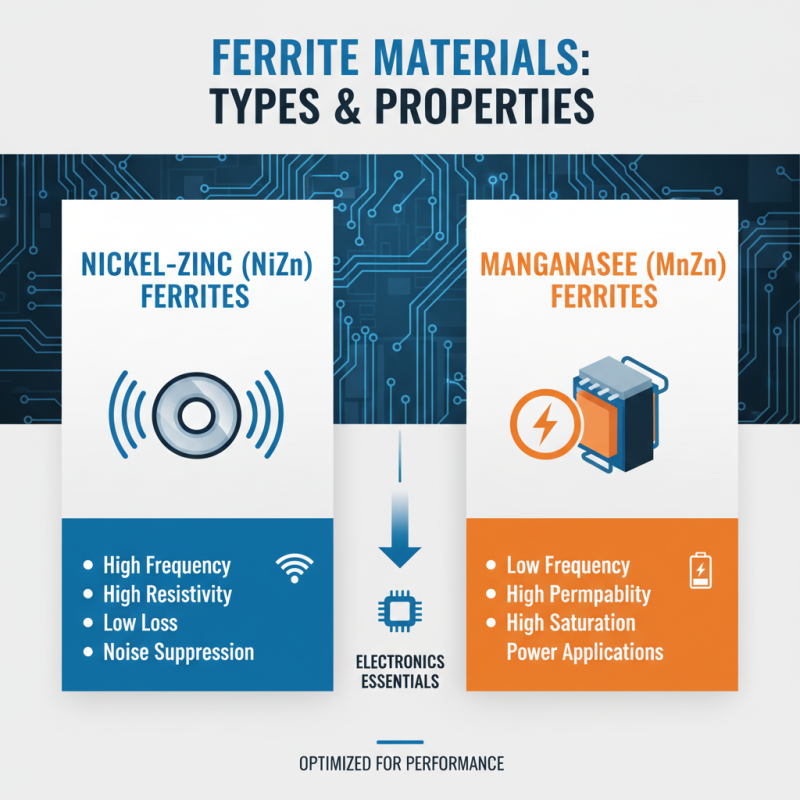
Ferrite materials are essential components in electronics, particularly for noise suppression. Several types of ferrite materials exhibit unique properties. Nickel-zinc (NiZn) ferrites are common for high-frequency applications. They provide high resistivity and low loss. Manganese-zinc (MnZn) ferrites excel at lower frequencies. They have higher permeability and better saturation magnetization, making them ideal for power applications.
A recent industry report from Smithers Pira indicates a rising demand for these materials, fueled by advancements in technology. Ferrite usage in automotive and telecommunication sectors is expected to grow by 15% between 2023 and 2028. This growth brings attention to the need for quality materials that match specific application requirements. Engineers often debate the trade-offs between performance and cost, highlighting the need for careful material selection.
Tip: When selecting ferrite chip beads, consider the operating frequency range. Choose NiZn for RF applications and MnZn for power circuits.
Understanding thermal characteristics is vital too. Ferrites can behave differently under temperature changes. A temperature coefficient of permeability varies among materials, impacting performance. For designs sensitive to temperature fluctuations, knowing how materials respond is critical.
Tip: Conduct thermal testing under different load conditions. This helps ensure reliable performance in real-world applications.
Choosing the right size and impedance for ferrite chip beads is crucial in electronics. These components play a significant role in filtering noise and ensuring signal integrity. When selecting a ferrite chip bead, consideration of its physical size is important. A larger bead can handle higher currents but may not fit compact designs.
Impedance is another key factor to evaluate. Different applications demand various impedance values. Higher impedance beads can effectively suppress high-frequency noise, while lower impedance options are better for lower frequencies. Understanding the specific environment and requirements is essential.
Practically, experimenting with different sizes and impedances can yield the best results. Full specifications provide a theoretical safety net, but real-world applications may differ. It's a process of trial and error. A Ferrite Core Choke may seem straightforward, but its performance can vary based on the chosen parameters. Keeping track of these experiments will aid in refining choices. Ignoring this could lead to inefficient designs. Balancing size and impedance while considering specific applications will enhance overall performance.
| Parameter | Value |
|---|---|
| Size (mm) | 2.5 x 2.0 |
| Impedance (Ohms) | 600 |
| Current Rating (mA) | 300 |
| Operating Temperature (°C) | -40 to 125 |
| Material Type | NiZn Ferrite |
| Applications | EMI Suppression |
| Frequency Range (MHz) | 100 - 1000 |
Ferrite chip beads serve important roles in circuit design. These components help reduce electromagnetic interference (EMI) in various electronic devices. Their design allows them to filter out high-frequency noise. This ensures that electronic systems operate smoothly.
Common applications include consumer electronics, automotive systems, and communications equipment. In smartphones, they help improve signal integrity. In automotive applications, they protect sensitive circuits from noise caused by powerful engines. Each application requires careful selection of ferrite materials to match the operating frequency and expected performance.
Engineers often face challenges related to size and efficiency in chip beads. They must balance between impedance at different frequencies and the component size. A larger bead might offer better filtering but can take up too much space in compact designs. Understanding the specific needs of the circuit is crucial to making informed decisions. These considerations lead to better design choices, reducing potential issues in the final product.
When evaluating the performance of ferrite chipbeads, it’s crucial to consider their impedance characteristics. Ferrite Beads function by providing resistance tohigh-frequency noise. According to industry data, the effectiveness of these components is often measured in ohms at different frequencies. A well-designed Ferrite Bead can attenuate noise levels by up to30 dB in the 1 MHz to 100 MHz range.
Maintaining optimal performance requires careful attention to installation. Improper soldering or excessive heat can degrade the material. A recent study highlighted that Ferrite Bead Filters can lose up to 20% of their effectiveness if not mounted correctly. Regular testing for impedance and thermal stability can reveal degradation over time. Environmental factors such as humidity and temperature fluctuations also play a significant role in long-term performance.
Lastly, it's essential to remain aware of the evolving market standards. New materials and technologies are emerging. Each new type of ferrite bead offers varied performance characteristics. Thus, staying informed about the latest advancements is vital for selecting the appropriate Ferrite Bead Filter for your application. Performance evaluations should include both laboratory tests and real-world applications.
: Ferrite chipbeads primarily reduce electromagnetic interference and ensure signal integrity in circuits.
Impedance determines the effectiveness in suppressing noise; higher impedance is generally better for filtering.
Current rating affects thermal performance; exceeding it may cause overheating and compromise functionality.
Different materials like MnZn and NiZn affect magnetism and frequency application suitability.
Real-world applications may differ from specifications; trial and error can lead to optimal performance.
Improper soldering or excess heat can significantly degrade ferrite material and reduce effectiveness.
Regular testing for impedance and thermal stability, along with monitoring environmental conditions, is essential.
A good frequency response is crucial for effective noise mitigation across various frequency ranges.
Choosing the wrong impedance can lead to inefficient designs and performance issues in circuits.
New materials and technologies offer varying characteristics; being informed aids in selecting the right components.
Ferrite Chipbeads are essential components in electronics, serving as passive devices that help suppress high-frequency noise in circuits. Understanding their applications and key characteristics is crucial for selecting the right type for specific needs. Factors such as size, impedance, and the type of ferrite material significantly influence their performance and suitability in different circuit designs.
When choosing Ferrite Chipbeads, it's important to consider their electrical properties, including impedance versus frequency characteristics, and to match these with the application requirements. Common applications range from power applications to signal integrity enhancement in various electronic devices. Additionally, maintaining performance through regular evaluation ensures the longevity and effectiveness of Ferrite Chipbeads in circuit applications.